Protection And Comfort, Matched To Your Lab Environment
A lab coat is a basic piece of protective clothing, but which one you need depends entirely on the hazard in front of you.
A standard cotton coat, an antistatic coat, a flame-resistant coat and a fluid-resistant coat are not interchangeable. Matching the coat to the actual risk in your lab matters more than picking whichever one looks the part.
How Do I Choose The Right Lab Coat?
Start with the hazard, not the fabric. General contamination control in a teaching or QA lab calls for a standard cotton or poly-cotton coat. Working near static-sensitive electronics or in a cleanroom calls for an antistatic coat. Any real risk of open flame or arc flash calls for a flame-resistant coat, and frequent chemical splash calls for a fluid-resistant coat.
A lab coat is one layer of protection, not the whole answer. It works alongside the gloves, eyewear and footwear your specific task requires, and your workplace's own safety data sheets and risk assessment should always be the final word on what is mandatory for a given task.
What Is A Lab Coat For?
A lab coat is a loose fitting, front buttoning garment worn over regular clothing as a barrier against splashes, spills, dust and minor contact hazards. It is designed to be removed quickly if it becomes contaminated, which is why it fastens at the front rather than pulling over the head.
On its own, a standard coat is not chemical splash protection, flame protection or a substitute for gloves and eyewear. Each specialised type below is built to add one specific extra layer of protection on top of that basic barrier function.
Good lab coat practice sits alongside good general lab hygiene, including how you handle the equipment you work with. See our guide to cleaning lab glassware properly for the same principle applied to your equipment.

Common Lab Coat Requirements
- •General contamination and splash control in teaching labs
- •Electrostatic discharge control around sensitive electronics
- •Working near open flames or arc flash risks
- •Frequent handling of chemicals with splash risk
- •Site or department identification through colour coding
Standard Coat Or A Specialised Coat, Which Do You Need?
Most labs need standard coats for general use, plus a smaller number of specialised coats for specific higher-risk tasks or roles.
Choose A Standard Cotton Or Poly-Cotton Coat If
- •Your main risk is general contamination, dust or minor splashes
- •You need a coat that can be laundered and worn regularly
- •Comfort and breathability matter for long wear
- •You are equipping a teaching lab, QA lab or general workspace
Choose A Specialised Coat If
- •You work near static-sensitive components or in a cleanroom
- •There is a genuine open flame, arc flash or fire risk in the task
- •You handle chemicals with a real splash or soak-through risk
- •Your safety data sheet or risk assessment specifies the feature
Ask Before Buying
- •What does your risk assessment or safety data sheet actually require?
- •Will this coat be laundered on site, sent out, or treated as disposable?
- •Does the role need more than one protective feature at once?
- •Do you need a specific size, closure style or sleeve type for the work?
Lab Coat Types At A Glance
Each type protects against a different hazard. Most are not designed to cover more than one of these at once.
| Criteria | Standard Cotton / Poly-Cotton | Antistatic | Flame-Resistant | Fluid-Resistant |
|---|---|---|---|---|
| General Contamination Control | ✓ Yes, its main purpose | ✓ Yes, plus ESD control | ✓ Yes, plus fire protection | ✓ Yes, plus fluid resistance |
| Static (ESD) Control | – Not designed for this | ✓ Purpose built for this | – Not its primary purpose | ✓ Combined with antistatic on some models |
| Open Flame Or Arc Flash Protection | – Not rated for this | – Not rated for this | ✓ Purpose built for this | – Not rated for this |
| Chemical Splash Resistance | – Basic splash only, soaks through | – Basic splash only, soaks through | – Fire rated, not splash rated | ✓ Purpose built for this |
| Typical Price (AU) | ✓ From around $75 | From around $225 | From around $315 | From around $220 |
The Main Lab Coat Types And Fabrics
Standard cotton or poly-cotton coats: The most common lab coat, made from 100% cotton or a cotton-polyester blend. Cotton breathes well for long wear and generally launders easily; a poly-cotton blend adds durability and wrinkle resistance at some cost to breathability.
Antistatic coats: Woven with a conductive fibre grid that dissipates static charge before it can build up, worn around static-sensitive electronics, cleanrooms and some pharmaceutical processes where a small static discharge could damage a component or ignite a fine powder.
Flame-resistant coats: Made from inherently flame-resistant cotton or treated fabric rated to a specific Arc Thermal Protective Value, worn wherever there is a genuine risk of open flame, hot work or arc flash rather than just general lab tasks.
Fluid-resistant coats: Treated or laminated to resist soak-through from chemical or biological fluids, sometimes combined with antistatic protection in a single garment for labs that need both properties at once.

Why Choosing The Right Lab Coat Matters
1. Matches Protection To Actual Risk
A coat rated for one hazard will not protect against another, so the wrong choice can leave a real gap in cover.
2. Quick To Remove If Contaminated
A front closing design means a contaminated coat can come off fast, without pulling it over the face.
3. Protects Your Own Clothing
A coat is a barrier between lab hazards and whatever staff are wearing underneath, reducing what needs washing or replacing.
4. Reusable Options Cost Less Over Time
A well cared for cotton or poly-cotton coat can be laundered and worn for years rather than replaced repeatedly.
5. Supports Compliance
Matching the coat to what your safety data sheet or risk assessment specifies is part of meeting your own workplace policy.
6. Easy Visual Identification
Colour coding by role or department, common in the coats John Morris Group supplies, helps staff and visitors identify who is who at a glance.
Caring For And Laundering A Lab Coat
Follow your own workplace policy and safety data sheet first, since laundering requirements differ by contamination type and coat fabric. A coat that has been exposed to a hazardous chemical, biological agent or radioactive material generally should not be taken home to launder with regular clothing.
Cotton and poly-cotton coats used for general contamination control are commonly laundered on site or through a commercial service, following the care label and any site-specific procedure. Specialised coats such as antistatic and flame-resistant garments can lose their protective properties if washed incorrectly, so always check the manufacturer's care instructions before laundering one.
Replace a coat once the fabric thins, seams fray or a specialised coating visibly wears away, since the garment's protective performance degrades well before it looks obviously worn out.
Lab Coats At John Morris Group
John Morris Group supplies standard, antistatic, flame-resistant and fluid-resistant lab coats across a full size range.
Cole-Parmer Lab Coat, Antistatic, 33", Medium
Already one of the strongest search performers in this range, an antistatic coat built for work around static-sensitive electronics and cleanroom environments.
Browse This Lab Coat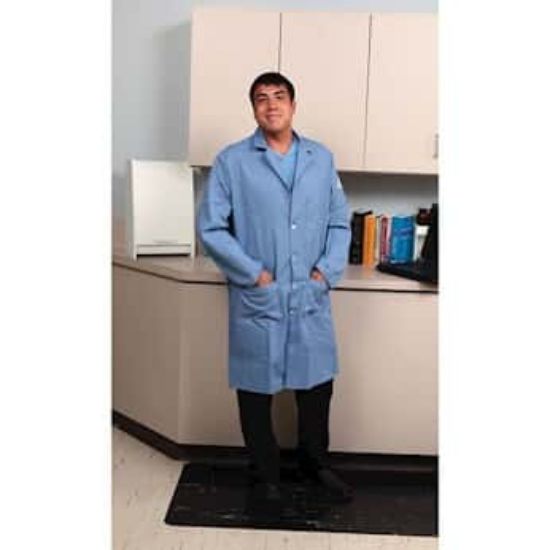
VF Workwear Flame-Resistant Lab Coat, Extra-Large
A 100% cotton flame-resistant coat rated to a specific Arc Thermal Protective Value, for genuine open flame or arc flash risk.
Browse This Lab Coat
Bierbaum-Proenen Unisex Lab Coat, 100% Cotton
A breathable, fully cotton coat for general contamination control where all day comfort matters as much as protection.
Browse This Lab Coat
Meta Fluid-Resistant Antistatic Lab Coat, XX-Large
Combines fluid resistance with antistatic protection in one coat, for labs that need both properties from a single garment.
Browse This Lab CoatExplore More Lab Safety Resources
A lab coat is one part of a broader safety and hygiene routine. See how it connects to equipment cleaning and sterilisation.
How To Clean Lab Glassware Properly
Follow the correct step by step method to clean glassware safely as part of the same broader hygiene routine.
Read The Cleaning GuideWhat Is An Autoclave?
See how a full autoclave cycle fits alongside PPE as part of a complete decontamination routine.
Read The Autoclave GuideLaboratory Equipment Guide
A broader look at the essential tool categories every lab needs, from glassware to analytical instruments.
Read The Equipment GuideLab Coat FAQs
What Is An Antistatic Lab Coat And When Do I Need One?
An antistatic lab coat is woven with a conductive fibre grid that dissipates static charge before it builds up. It is needed around static-sensitive electronics, in cleanrooms, and in some pharmaceutical processes where a static discharge could damage components or ignite fine powders.
What Is The Difference Between A Flame-Resistant And A Standard Lab Coat?
A standard coat offers no meaningful fire protection and can ignite or melt against skin. A flame-resistant coat is made from inherently flame-resistant or treated fabric rated to a specific protection value, and should be used wherever there is a genuine open flame or arc flash risk.
Is Cotton Or Poly-Cotton Better For A Lab Coat?
100% cotton is more breathable and comfortable for long wear. A poly-cotton blend adds durability and wrinkle resistance, at some cost to breathability. Neither is inherently more protective for general contamination control, so comfort and laundering needs usually decide it.
What Does A Fluid-Resistant Lab Coat Protect Against?
A fluid-resistant coat is treated or laminated to resist soak-through from chemical or biological liquids, reducing skin contact during a splash rather than the slower soak-through a standard cotton coat allows.
What Is A Cuffed Lab Coat Sleeve For?
A cuffed sleeve sits snugly at the wrist rather than hanging loose, reducing the chance of a sleeve catching on equipment or dragging through a spill or an open flame.
How Often Should A Lab Coat Be Washed?
This depends on your workplace policy and how the coat is used, but a coat used daily for general work is commonly laundered weekly, while any coat visibly contaminated or exposed to a hazardous substance should be laundered immediately following your site's procedure.
Can A Lab Coat Be Autoclaved?
Some 100% cotton coats can tolerate autoclaving, but repeated cycles will shorten fabric life, and specialised coatings on antistatic, flame-resistant or fluid-resistant coats can be damaged or destroyed by autoclave heat. Always check the manufacturer's care instructions rather than assuming.
Does A Lab Coat Count As PPE On Its Own?
A lab coat is one piece of personal protective equipment, but it is rarely the only piece a task requires. Gloves, eyewear and, for some tasks, respiratory or foot protection are usually needed alongside it, based on your own risk assessment.
Need Help Choosing The Right Lab Coat?
Talk to John Morris Group about standard, antistatic, flame-resistant and fluid-resistant lab coats for your team.
Contact UsCall 1300 501 555 or contact John Morris Group for quotation and technical support.