Laboratory Rheology
How To Measure Viscosity On Non-Flowing Samples
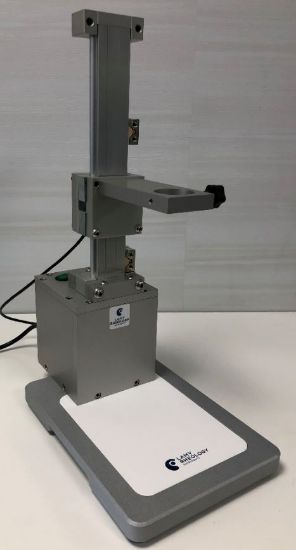
Gels, pastes, creams and other non-flowing materials can form air cavities around a standard rotating spindle, which understates their real viscosity. Lamy's T-bar spindle, combined with the HELIPRO drive unit, solves this by moving the spindle vertically through the sample during measurement instead of holding it in a fixed position.
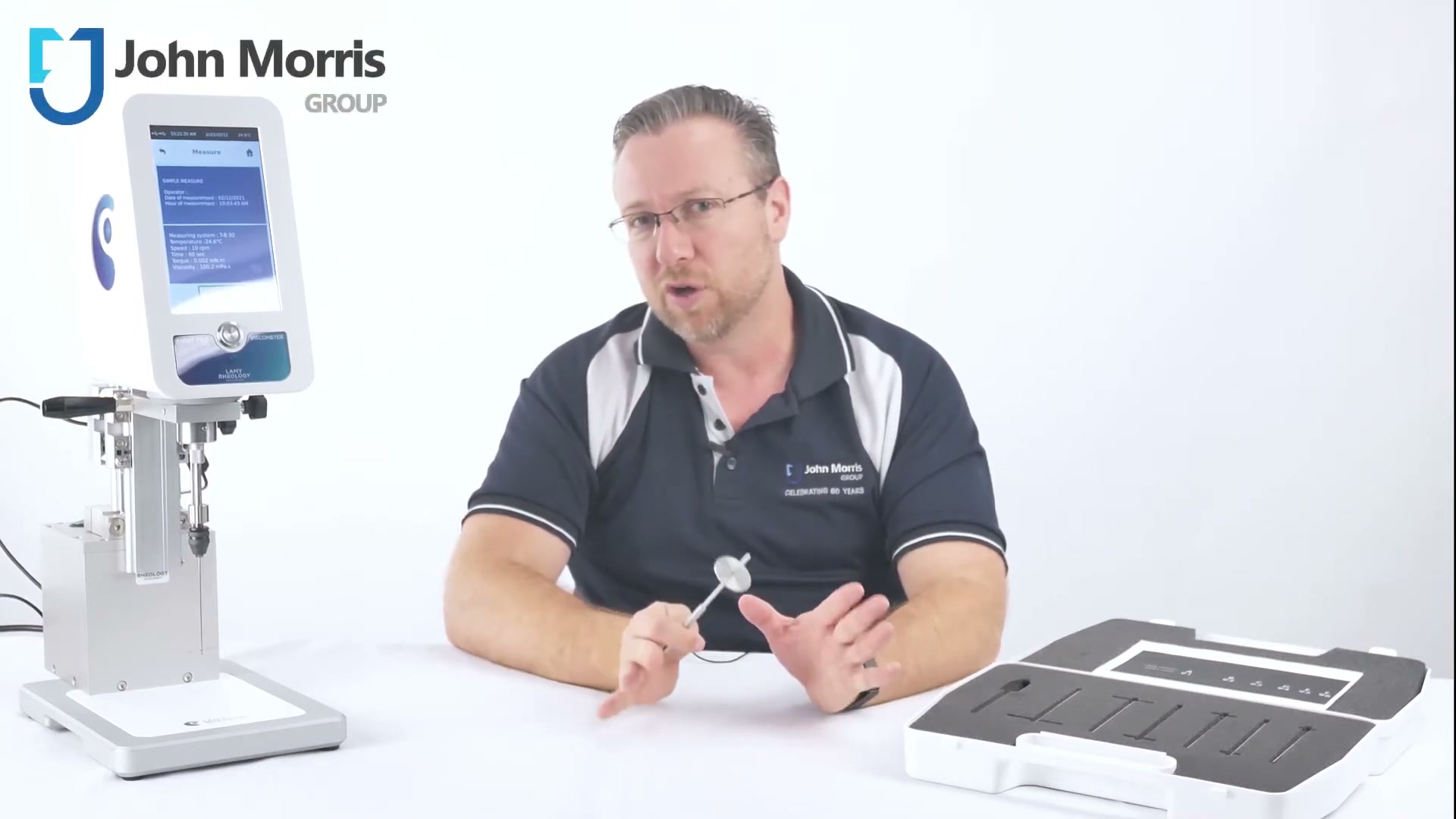
The HELIPRO T-bar spindle system alongside a Lamy rotational viscometer.
At A Glance
Best suited for: gels, creams, pastes and other non-flowing samples
Measurement setup: T-bar spindle + HELIPRO vertical drive
Main benefit: reduces cavity formation around the spindle
Compatibility: most Lamy viscometers and rheometers, excluding cone-and-plate
Why Standard Spindles Give False Readings
Traditional rotational viscosity measurement uses either a cylindrical (R) or disc (L) spindle, chosen based on the expected viscosity of the sample. These work on the assumption that the material continuously flows back in around the spindle as it rotates.
That assumption breaks down with non-flowing materials such as gels, pastes, creams or yogurt. Instead of flowing back around the spindle, the material slips away from it, creating air cavities around the spindle surface. The instrument ends up measuring a partial, cavity-riddled contact area rather than the full sample, which produces artificially low viscosity readings.
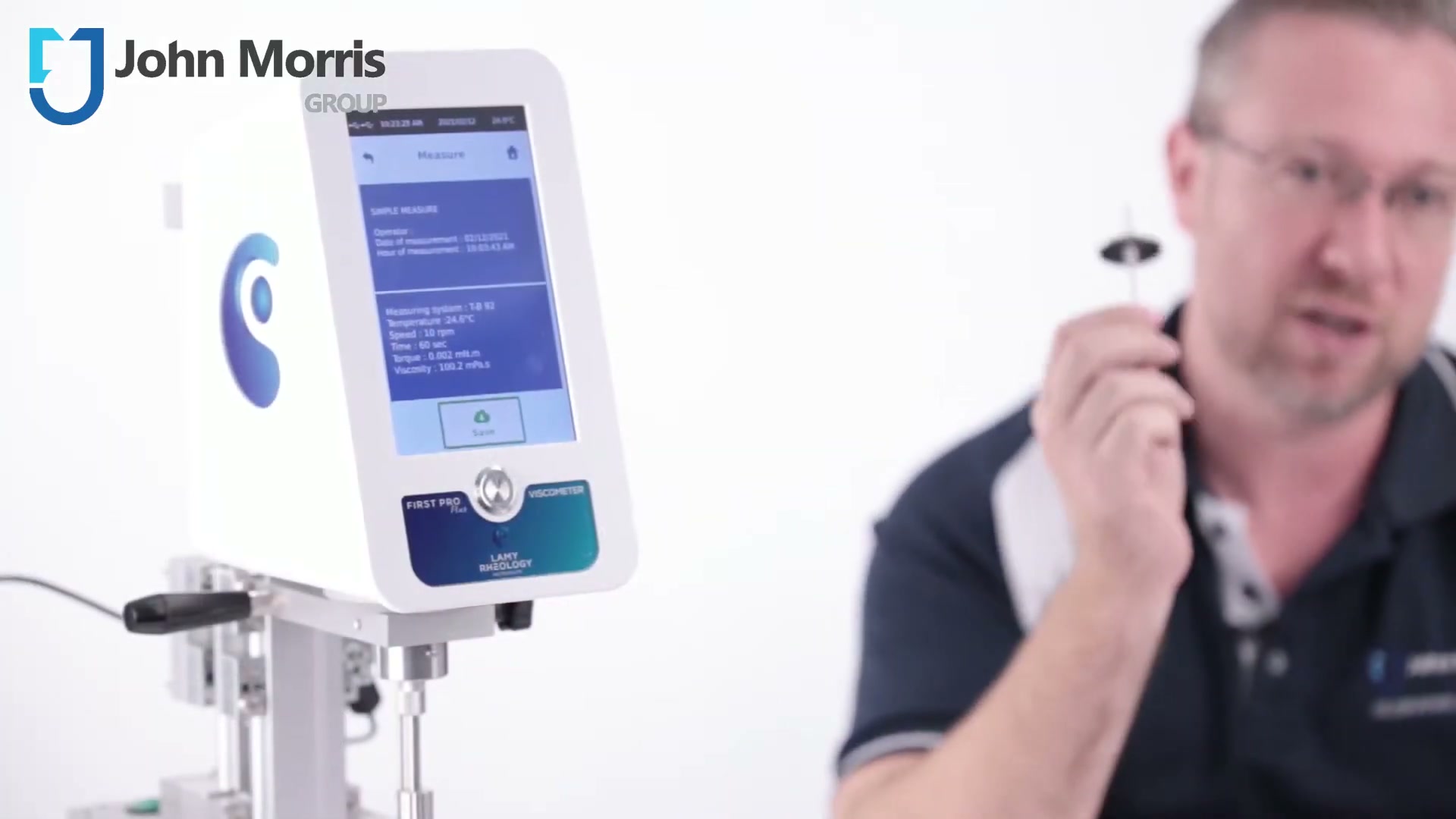
A standard rotational viscometer readout, accurate for flowing liquids, but prone to cavity-related error on non-flowing samples.
The practical impact: if you're testing a non-flowing product with a standard R or L spindle, the number on the display can understate the real viscosity of the product, sometimes significantly.
The Fix: A T-Bar Spindle And HELIPRO
The problem is solved with a different spindle geometry entirely: a T-bar spindle, purpose-built for non-flowing materials. On its own, a T-bar spindle still can't fully prevent cavity formation while just rotating in place, the real solution comes from pairing it with a drive unit called HELIPRO.

The T-bar spindle, note the T-shaped cross bar instead of a disc or cylinder.
Rather than just spinning in one spot, the HELIPRO system moves the spindle vertically up and down at a controlled speed while it operates. That constant vertical movement keeps the sample in consistent contact with the spindle, which is what prevents the air cavities from forming in the first place, giving a full, reliable measurement instead of a partial one.
What's In The HELIPRO Kit
The complete HELIPRO setup includes:
- A set of six T-bar spindles, supplied in a carry case
- A holder for the T-bar spindles
- A motor stand and drive unit (the HELIPRO unit itself)
The HELIPRO kit ships in its own carry case.
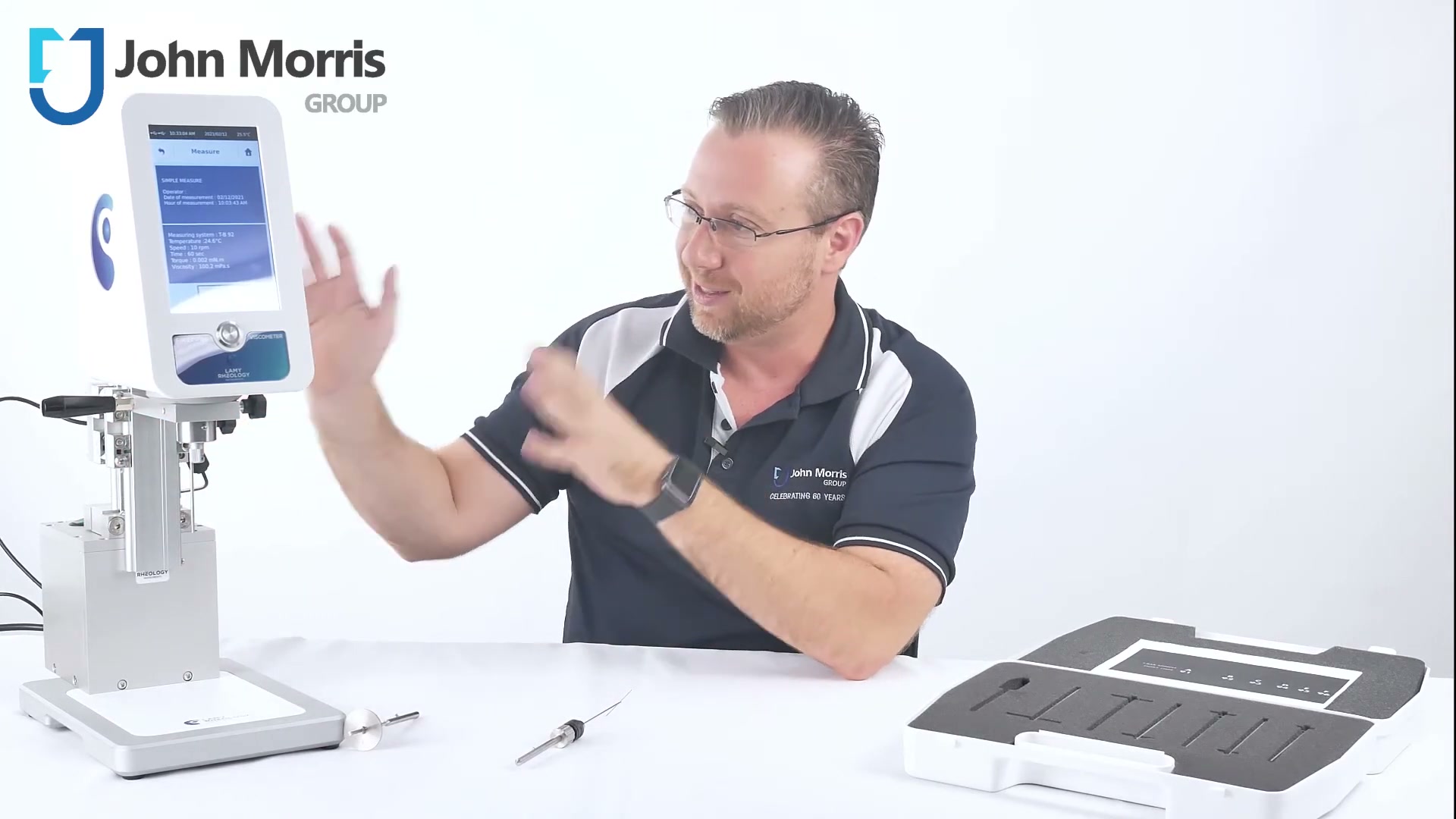
Six T-bar spindles, each seated in its own slot in the case.
The chuck that holds each spindle is an all-metal machined component. To attach a spindle, the T-piece goes into the top of the chuck and is then tightened into place, the same click-into-place style adjustment used across the Lamy viscometer range.
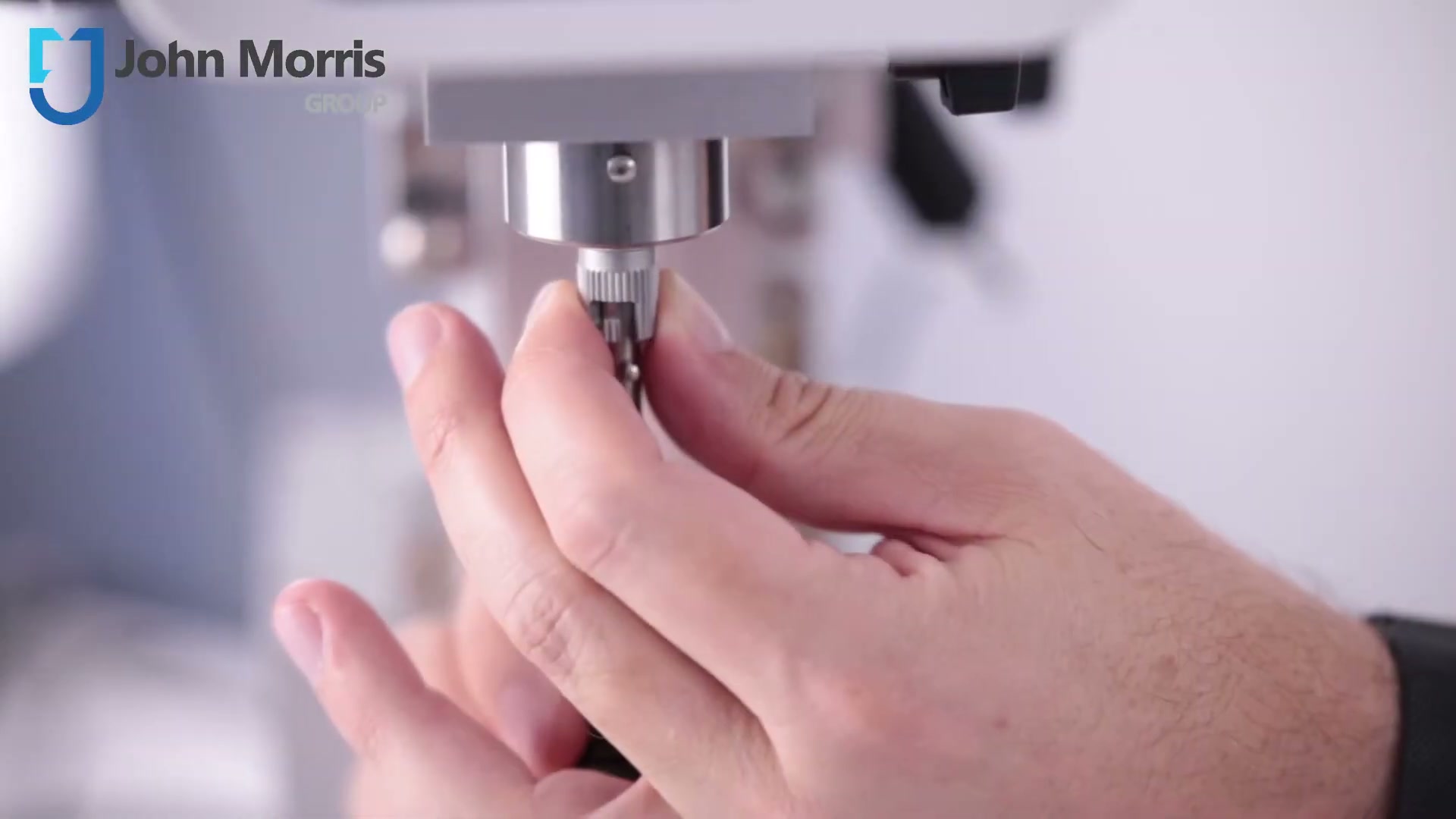
Fitting a T-bar spindle into the chuck, tighten to lock it in place.
Setting Up The HELIPRO Stand Correctly
Because the HELIPRO drive moves the spindle up and down through the sample, getting the travel range set correctly matters more than it would on a standard fixed-position spindle. Two adjustments handle this.
Side height adjustment: a side adjustment on the stand lets you set the overall height of the unit so that, wherever you position the bottom of the travel range, the T-bar can't accidentally contact the bottom of your sample jar.
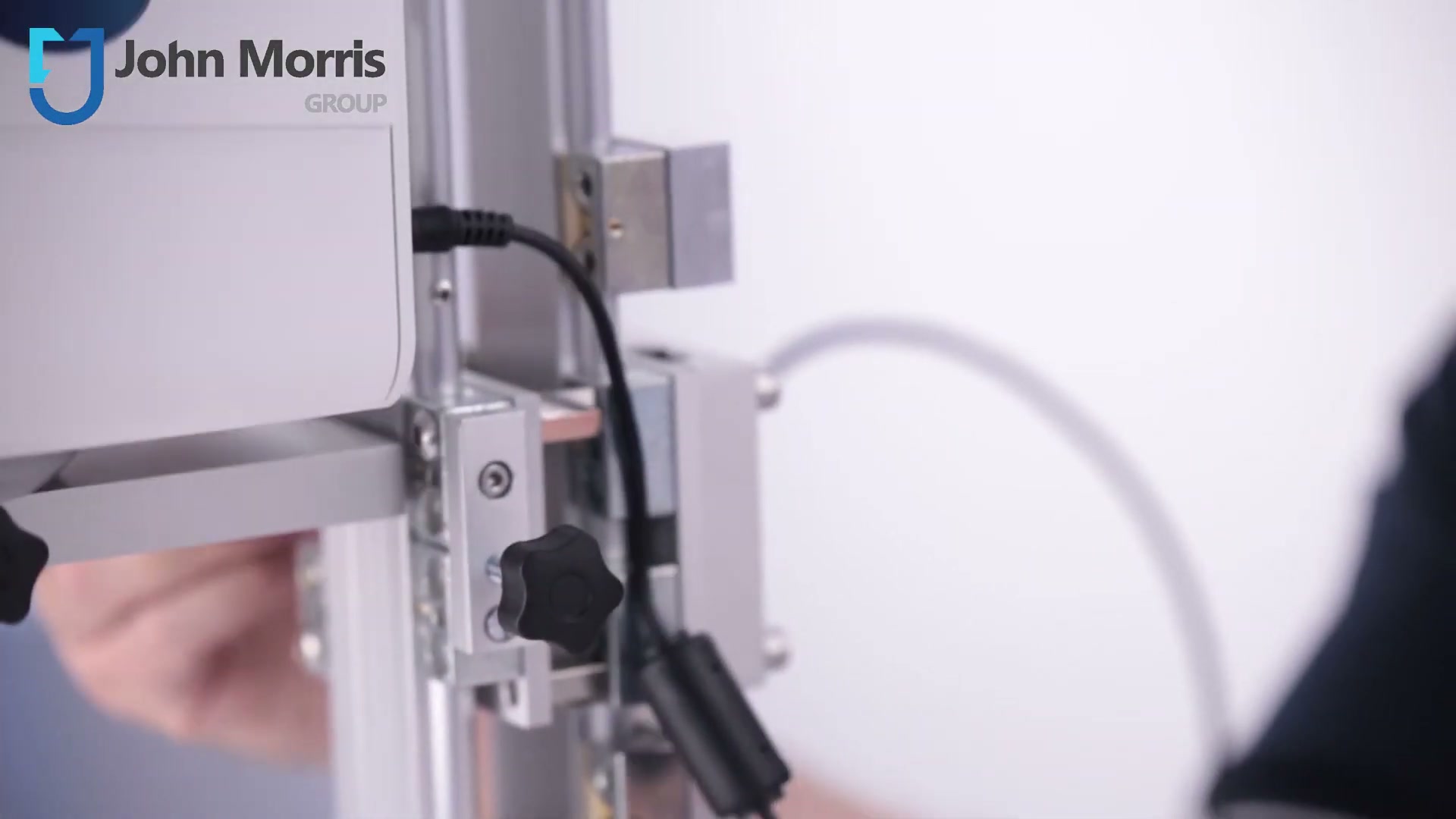
The side adjustment knob sets the overall working height of the HELIPRO stand.
Adjustable travel limits: on the back of the stand, adjustable lugs let you set the maximum and minimum height for the spindle's travel. Each limit has a micro switch behind it. When the moving carriage reaches either the top or bottom limiting position, its micro switch makes contact and the HELIPRO automatically reverses direction, that's what produces the continuous up-and-down cycle, run at the speed defined by your test method.
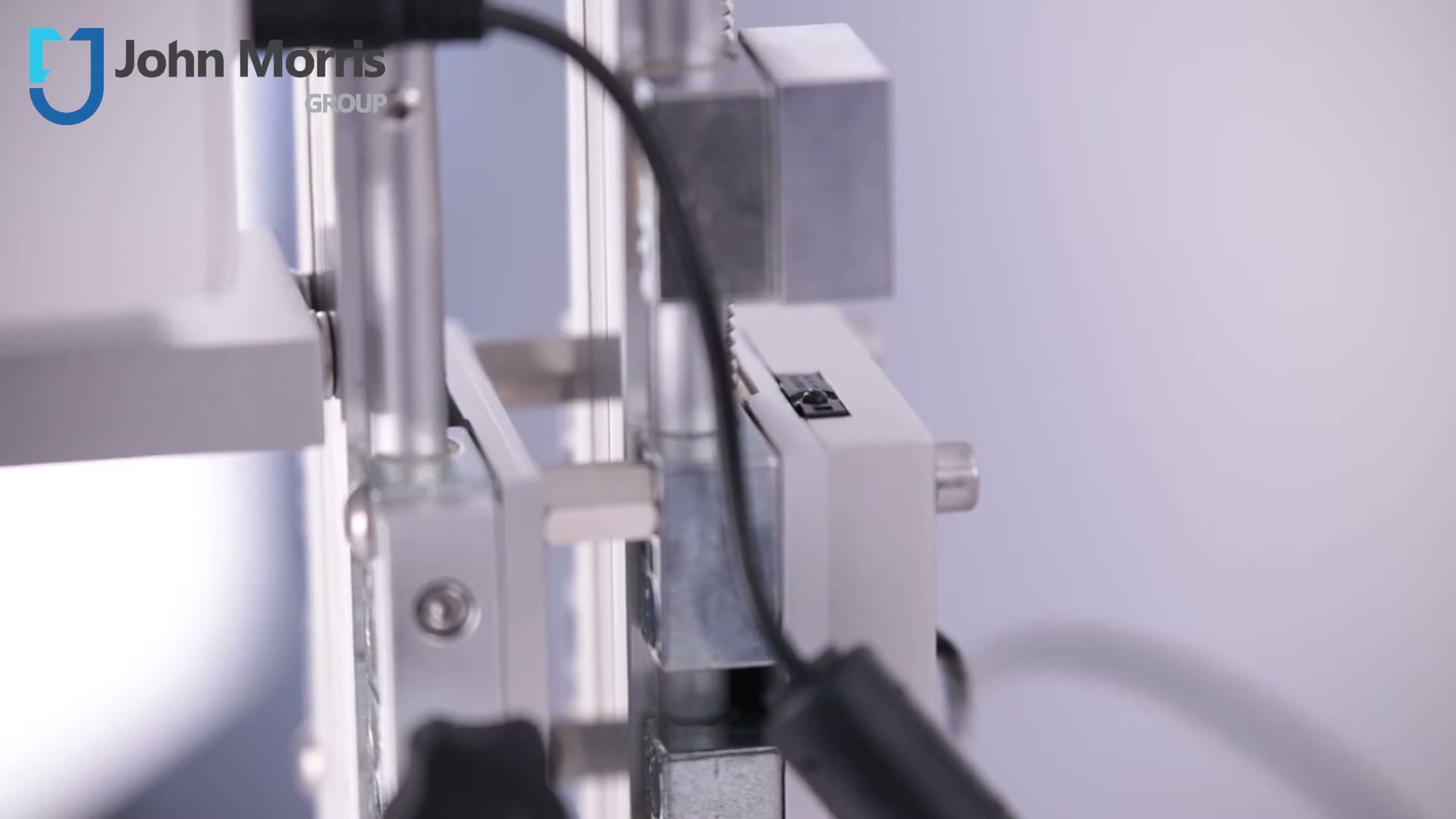
Adjustable lugs and micro switches on the back of the stand set exactly where the spindle reverses direction.
The up-and-down motion can look deceptively gentle, but it's moving at the exact speed your method calls for. The visible cue is the travel gap narrowing steadily until the switch clicks and the direction reverses.
Compatibility
✓ Compatible: almost all Lamy viscometers and rheometers
✕ Not compatible: cone-and-plate versions
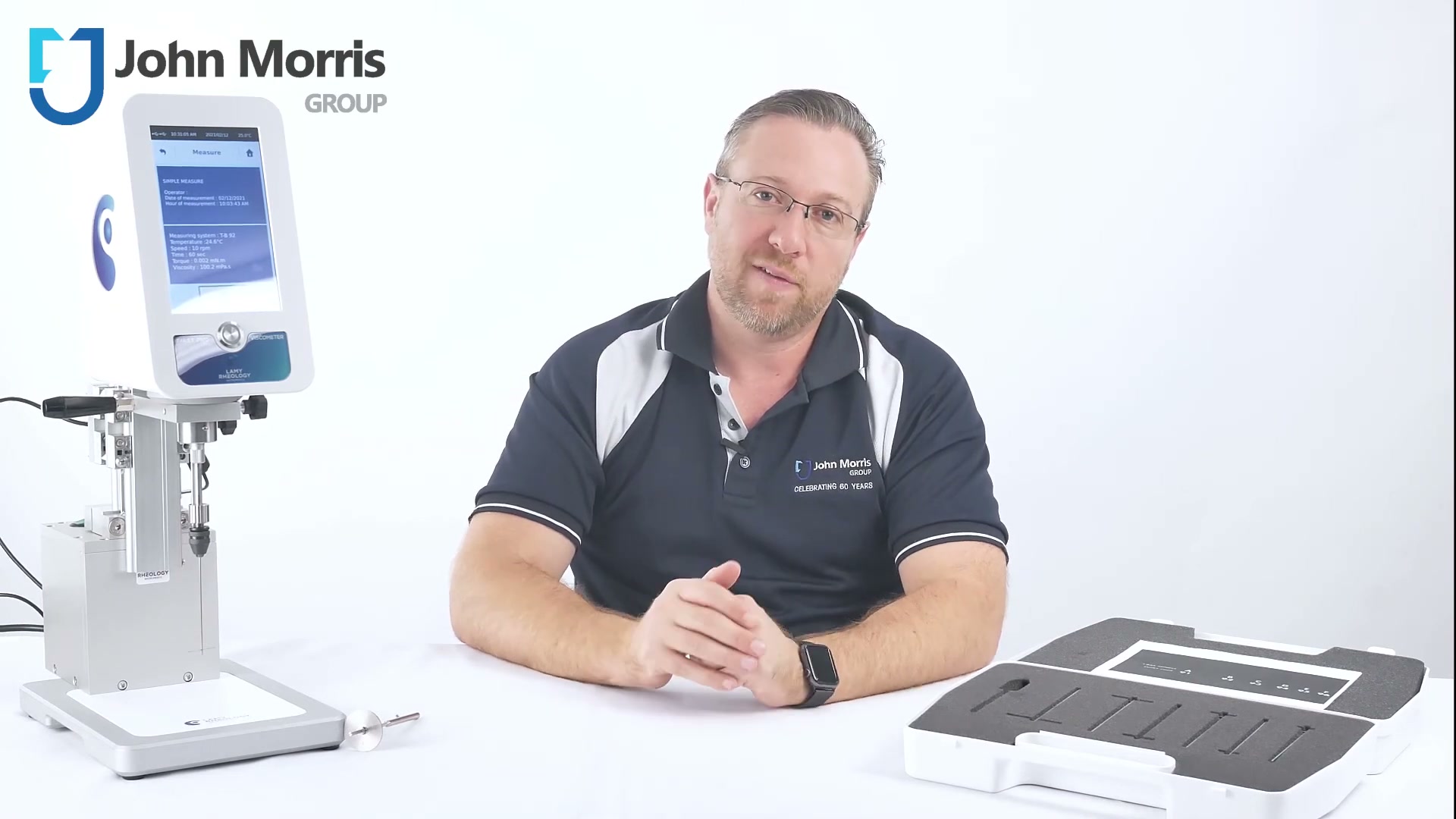
The HELIPRO system, purpose-built for viscosity measurement on samples that don't flow.
If your lab regularly tests semi-solid products and has been relying on a standard spindle, that's the most likely explanation for readings that feel lower than expected, worth checking against a T-bar/HELIPRO measurement to see the difference.
Need Help Setting Up Viscosity Testing For Gels, Pastes Or Creams?
Choosing the right spindle, viscometer and test setup depends on your sample consistency and expected viscosity range. John Morris Group can help configure a Lamy Rheology system for your application.
Contact John Morris GroupOr call 1300 501 555